
Turkey Teeth Gone Wrong: How to Spot It and How to Avoid It
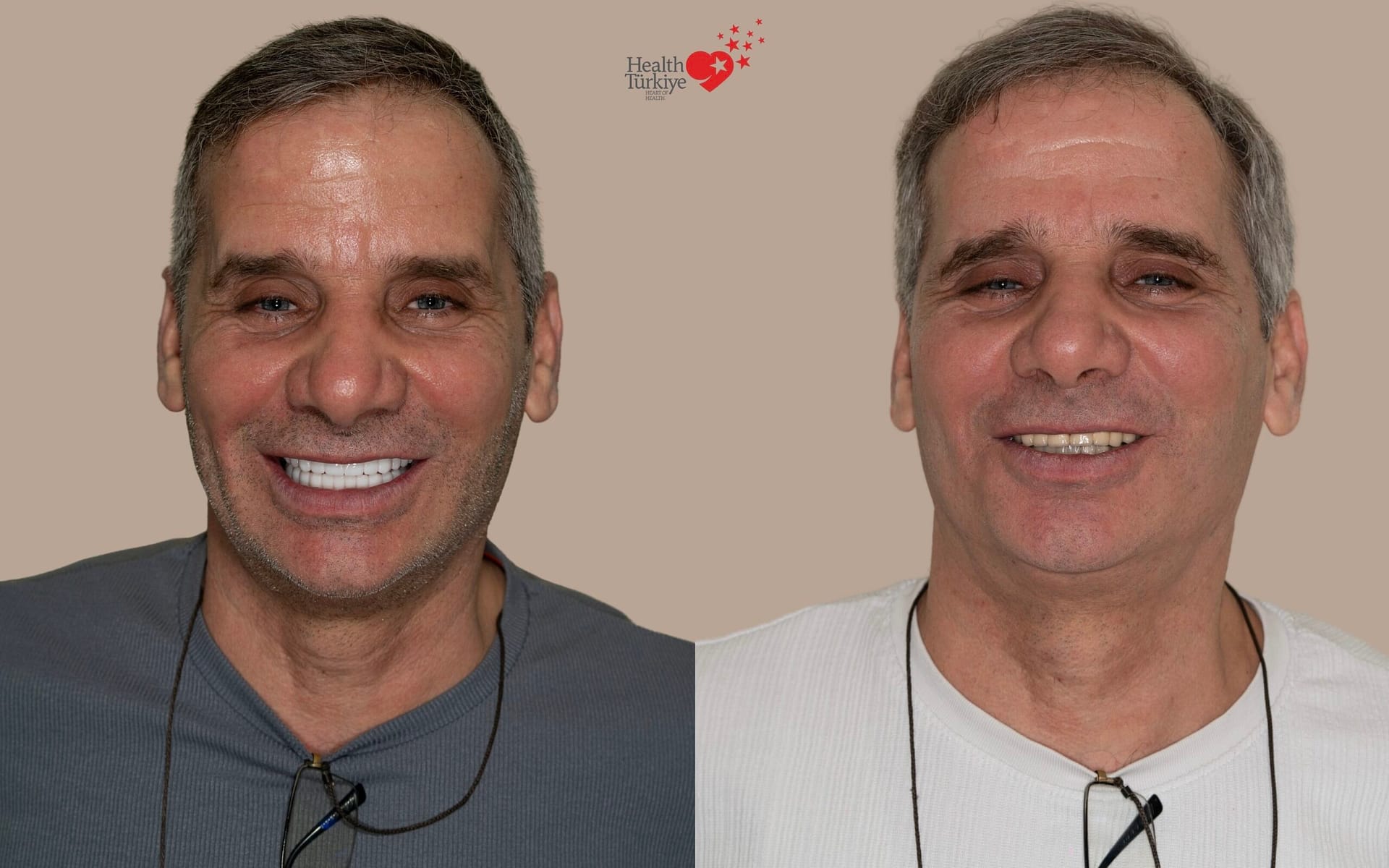
Turkey Teeth Gone Wrong: The Honest Clinical Truth & How to Protect Your Natural Smile
You have almost certainly seen the viral phrase “Turkey Teeth” across TikTok, BBC documentaries, and tabloid exposés: gleaming, ultra-white, oversized square teeth preceded by horrifying videos of healthy young people sitting in dental chairs with their natural teeth filed down to tiny, jagged pegs (“shark teeth”).
As practicing dental surgeons in Antalya who treat hundreds of international patients every year from the UK, Germany, the Netherlands, and North America, we understand why prospective patients are deeply anxious. When cosmetic dentistry goes wrong abroad, the biological consequences are catastrophic: agonizing nerve pain, chronic gum inflammation, speech impediments, secondary decay beneath loose crowns, and irreversible structural destruction.
However, bad dentistry is not a nationality—it is a commercial business model. The “Turkey Teeth” catastrophe occurs when high-volume, profit-driven dental factories prioritize assembly-line turnover and commissioned sales targets over biological tooth conservation.
At Ulubey Dental Clinic, we practice biomimetic and conservative dentistry. We believe that informing international patients with total clinical transparency is the only ethical way to practice medicine. Below is our comprehensive, chair-side breakdown of what actually goes wrong, the histology of tooth damage, how to spot commercial traps, and how botched cases are medically corrected.
Estimate Conservative Smile Makeover Costs in Antalya:
Calculate transparent 2026 pricing for minimal-prep E.max veneers vs. zirconia crowns with zero hidden fees:
👉 Hollywood Smile & Veneers Cost Calculator |
👉 Antalya Dental Treatment Prices 2026 Directory
1. The Core Deception: Why Commercial Clinics Sell “Veneers” but Deliver Crowns
The vast majority of “Turkey Teeth gone wrong” stories originate from an intentional linguistic deception: marketing full-coverage dental crowns under the name of “veneers.”
Patients arrive in Turkey believing they are getting cosmetic veneers, expecting a non-invasive cosmetic enhancement. Instead, they are numbed and subjected to aggressive 360-degree crown preparation. The clinical differences between the two procedures are night and day:
- True Cosmetic Porcelain Laminate Veneers (e.g., Ivoclar IPS e.max): A wafer-thin shell of high-strength lithium disilicate ceramic bonded exclusively to the front (facial) surface of the tooth. It requires minimal preparation—removing only 0.3mm to 0.5mm of superficial enamel. Most of your natural tooth structure is preserved: veneer preparations remove only about 3–30% of the crown’s tooth structure (Edelhoff & Sorensen, J Prosthet Dent 2002), and the dental pulp (nerve) stays untouched and vital.
- Full-Coverage Dental Crowns (e.g., Zirconia or PFM): A 360-degree cap that encases the entire tooth structure down to the gum line. Placing a crown requires aggressive circular reduction, permanently stripping away 60% to 70% of healthy biological tooth structure (1.5mm to 2.0mm circumferentially).
2. The 5 Biological Failures: What Actually Happens Beneath Botched Teeth
A. Irreversible Pulp Necrosis & Periapical Abscesses (Nerve Death)
Natural human teeth are living organs. Beneath the protective outer enamel lies dentin, which is traversed by millions of microscopic fluid-filled dentinal tubules leading directly to the living dental pulp (the blood vessels and nerve center).
When a high-speed diamond bur shaves away 70% of a tooth to create a “shark tooth,” it cuts across millions of these tubules. Frictional heat, vibration trauma, and the chemical toxicity of acidic etching cements cause severe pulpal inflammation (pulpitis). In 10% to 15% of aggressively crowned teeth, this trauma causes irreversible pulp necrosis (nerve death). The nerve silently dies, bacteria colonize the root canal system, and chronic periapical abscesses form in the jawbone months after returning home, requiring emergency root canals or surgical extractions.
B. Violation of the Biological Width (Chronic Bleeding & Bad Breath)
In periodontology, the biological width (defined by Gargiulo et al.) is the critical 2.04mm zone of junctional epithelium and supracrestal connective tissue attachment that seals the gum tightly against the tooth root, preventing oral bacteria from penetrating into the jawbone.
In rushed assembly-line clinics, dentists drill subgingivally without magnification loupes, plunging crown margins deep below the gum line into the biological width. When bulky crowns overhang this space, the body identifies the restorative margin as a foreign invader. The clinical result:
- Puffy, swollen, purple gum margins that bleed profusely upon the slightest touch or brushing.
- Anaerobic bacterial colonization trapping food debris beneath the overhangs, producing volatile sulfur compounds that cause permanent, severe halitosis (bad breath).
- Localized alveolar bone resorption around the tooth necks, causing premature gum recession that exposes dark, unsightly crown borders.
C. The “Toilet-Bowl Chiclet” Look: Flat, Monolithic Aesthetic Disasters
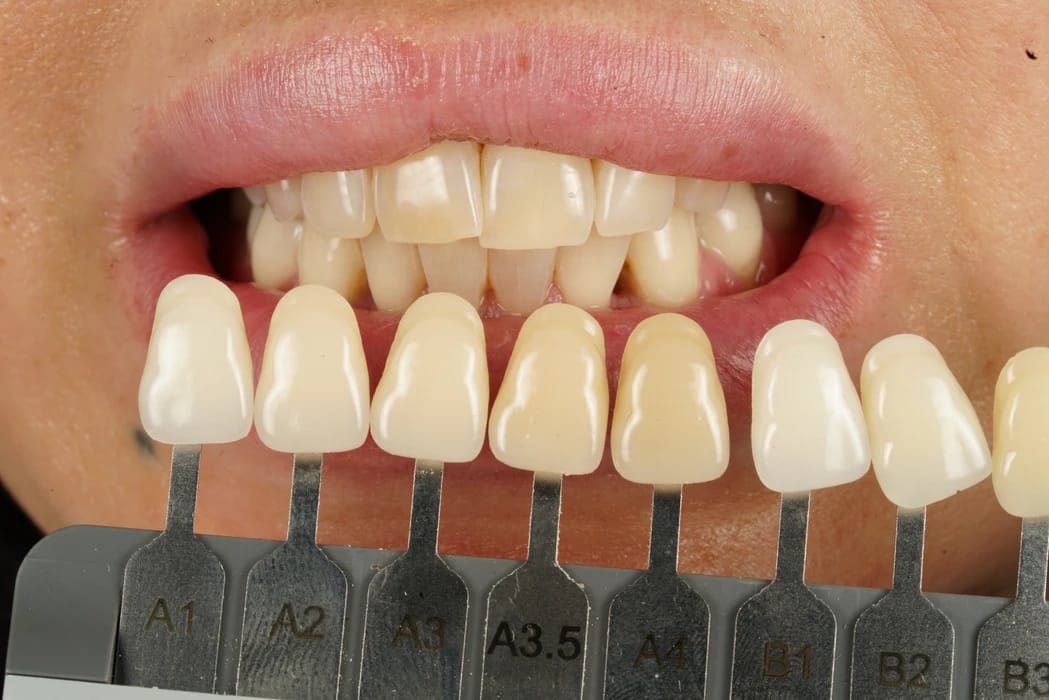
Aesthetic failure is the most visually obvious hallmark of “Turkey Teeth.” Budget clinics cut laboratory expenses by milling solid, monolithic white zirconia blocks in extreme bleached shades (BL1 or BL2) without individual hand-characterization.
Natural human enamel is never opaque white. Natural teeth have graduated color: a warm cervical third near the gum, a luminous middle third, and a semi-translucent incisal edge featuring anatomical mamelons and subtle light refraction. Monolithic factory crowns look like dense, flat, fluorescent bathroom tiles glued in a straight horse-shoe line. Patients are left with an artificial, oversized grimace that overwhelms their facial proportions.
D. Occlusal Collapse & Severe TMJ Dysfunction
Your jaw joint (the temporomandibular joint, or TMJ) and your chewing muscles operate in delicate neurological harmony with the exact microscopic contact points of your teeth (the Vertical Dimension of Occlusion, or VDO).
When an inexperienced clinic fits 20 or 24 crowns simultaneously without using facebow transfers, semi-adjustable articulators, or digital bite analysis, the bite is almost always misaligned. A premature contact of just 0.2mm forces the lower jaw into an unnatural posture. Within weeks, patients experience:
- Severe, radiating pain in the jaw joints, ears, and temples.
- Painful morning muscle spasms and chronic tension headaches.
- Chipped and cracked ceramic restorations caused by uneven masticatory force distribution.
- Speech lisps and inability to enunciate “S”, “F”, and “V” sounds properly.
E. Secondary Recurrent Caries Beneath Margins
When crowns are fabricated from sloppy manual putty impressions rather than high-resolution 3D intraoral scanners, the marginal gap between the crown edge and the prepared tooth can exceed 100 to 150 microns. Bacteria penetrate this microscopic gap, dissolving the water-soluble cement and causing rampant secondary tooth decay beneath the crown. Because the tooth has often lost sensation, the decay silently hollows out the tooth stump until the entire crown suddenly snaps off at the gum line.
Commercial Factory Dentistry vs. Ethical Biomimetic Care
| Clinical Parameter | High-Volume Commercial Clinics | Ulubey Dental Clinic (Boutique Biomimetic) |
|---|---|---|
| Enamel Reduction | 60%–70% aggressive reduction (“pegs”) | 0.3mm–0.5mm micro-prep (enamel preservation) |
| Treatment Planning | Commissioned call-center sales coordinators | Direct clinical consultation with treating dentists |
| Digital Trial / Mock-Up | None. Immediate irreversable drilling on Day 1 | Live 3D oral mock-up trial with Primescan® before drilling |
| Bonding Chemistry | Cheap zinc phosphate or glass ionomer cements | Adhesive resin bonding (25–30 MPa enamel bond strength) |
| Material Quality | Unbranded opaque monochromatic zirconia | Ivoclar IPS e.max Press & Amann Girrbach gradient zirconia |
| Laboratory Guarantee | Vague oral promises; void after patient leaves | 10-year written fracture guarantee (Amann Girrbach zirconia), conditional on check-ups |
3. Revision Dentistry: How We Repair and Salvage Botched Dental Work
A significant portion of our clinical caseload at Ulubey Dental Clinic in Antalya consists of complex restorative revisions—patients arriving from other clinics with chronic pain, failing crowns, or aesthetic distress seeking salvage treatment.
While natural tooth enamel cannot regenerate once destroyed, a failed smile makeover can be clinically rescued through a disciplined, step-by-step surgical and restorative protocol:
- Precision Removal of Defective Crowns: Using specialized high-speed carbide crown cutters under continuous water cooling to safely slice off old zirconia or metal-fused crowns without causing further thermal trauma to the remaining tooth stump.
- Endodontic & Pulp Assessment: Every underlying tooth is evaluated with high-resolution periapical RVG radiography and electric pulp vitality testing. Teeth suffering from chronic pulp necrosis or periapical lesions receive microscopic root canal therapy and fiber-reinforced composite post-and-core rebuilds.
- Periodontal Biological Width Restoration: If old crowns have invaded the gum attachment, we perform precise diode laser gingivoplasty or open-flap periodontal crown lengthening. This moves the bone margin 2.5mm away from the future restorative margin, allowing the gums to fully heal, stop bleeding, and eliminate bad breath.
- Digital Re-Impressions with Dentsply Sirona Primescan: We take ultra-precise digital optical impressions accurate to within 10 microns, capturing clean margin shoulders.
- Delivery of Hand-Crafted Amann Girrbach Restorations: We fit custom-milled monolithic or layered zirconia restorations engineered with anatomically correct contact points, natural shade gradients, and balanced occlusion that completely relieves TMJ tension.
4. The 10 Red Flags: How to Spot an Unethical Dental Clinic Before Booking
Before transferring a deposit or boarding a flight to Turkey, evaluate your prospective clinic against these 10 non-negotiable medical criteria:
- The “Zirconium Veneer” Myth: If a clinic quote says “Zirconium Veneers,” be on high alert. Scientifically, pure zirconia cannot be etched and bonded with the same delicate precision as glass-ceramic veneers—it almost always means full 360-degree crown filing. True aesthetic veneers are made from lithium disilicate (IPS e.max).
- You Only Speak to Sales Coordinators: If you cannot communicate directly with the licensed dentist who will operate on your mouth via WhatsApp or video call, the clinic is run as a commercial brokerage, not a medical surgery.
- They Recommend Full-Mouth Shaving for Minor Crowding: If your teeth are healthy but slightly misaligned, an ethical dentist will recommend clear aligners (Invisalign) or composite bonding—never cutting down 20 healthy teeth.
- No Live Mock-Up Preview: Reputable clinics design a physical or digital mock-up that you try in your mouth to evaluate speech and aesthetics before touching a single millimeter of enamel.
- Unrealistically Low “Package Deals”: A full set of 20 genuine Ivoclar IPS e.max veneers or Austrian Amann Girrbach crowns cannot cost £1,500. Clinics offering these rates are using uncertified Chinese zirconia blanks or low-grade dental acrylics.
- They Do Not Provide a Ministry of Health License Number: In Turkey, treating international patients legally requires an official International Health Tourism Authorization Certificate issued by the Ministry of Health (e.g., Ulubey Dental Clinic holds certificate No. ST-6000).
- No Written Material Passport: You must receive an official manufacturer warranty card specifying the exact ceramic brand, lab technician registry, and serial batch numbers.
- Pressure to Complete Major Treatments in 3 to 4 Days: Rushing crown cementation without allowing gum tissues to stabilize after preparation leads to permanent marginal discrepancies.
- They Demand 100% Upfront Payment Before Arriving: Ethical clinics follow transparent staged payments: a standard deposit (e.g., 30%) upon clinical consultation, with the balance paid only upon final approval and cementation.
- They Dismiss Aftercare Protocols: Ask how the clinic handles complications after you return home. Reputable clinics maintain structured remote follow-up schedules at 30, 90, and 365 days.
Worried About a Quote You Received? Get a Doctor’s Opinion
Before committing to aggressive tooth shaving, send your smile photos, X-rays, or treatment plans from other clinics directly to our WhatsApp line. Dr. Ali Cem Ulubey personally analyzes your biological suitability and provides an honest, objective medical second opinion.
Zero sales pressure. Speak directly with practicing dentists in English, Turkish, Persian/Farsi or Azerbaijani.
Frequently Asked Questions About Turkey Teeth
What actually causes “Turkey Teeth” to go wrong?
The primary clinical cause is aggressive over-preparation: shaving 60% to 70% of healthy tooth structure down to tiny pegs (‘shark teeth’) to fit bulky full crowns marketed deceptively as ‘veneers’. This exposes dentinal tubules, leading to pulp necrosis, chronic nerve pain, and invasive root canal treatments.
What is the true biological difference between veneers and crowns?
True cosmetic veneers (such as Ivoclar IPS e.max) require conservative micro-preparation removing only 0.3mm to 0.5mm of outer enamel, preserving 100% of the tooth pulp. Full crowns cover 360 degrees of the tooth and require aggressive 1.5mm to 2.0mm tooth reduction, which is only indicated for severely damaged or decayed teeth.
Why do some patients develop bleeding gums and bad breath after treatment in Turkey?
This occurs when poorly fitted crowns violate the biological width (the critical 2.04mm attachment of gum tissue to tooth). Overhanging crown margins trap anaerobic bacteria, triggering chronic marginal gingivitis, alveolar bone loss, and persistent halitosis (bad breath).
Can botched “Turkey Teeth” crowns be fixed or reversed?
While shaved tooth structure cannot grow back, defective crowns can be corrected. Revision treatment involves safely removing defective crowns, treating underlying infections with root canals, performing periodontal recontouring to restore biological width, and fitting precision CAD/CAM Amann Girrbach zirconia or E.max restorations.
How can I ensure my teeth will not be filed down to “shark teeth” in Turkey?
Demand in writing that your treatment plan specifies ‘Laminate Veneers with minimal enamel preparation (0.3–0.5mm)’ rather than ‘Full Zirconia Crowns’. Ask to see live digital mock-up previews (such as Dentsply Sirona Primescan) before any enamel is touched.
Why do budget crowns in Turkey look like opaque white “chiclets”?
Budget clinics mill monochromatic opaque white zirconia blocks (shade BL1) without multi-layer gradient sintering or hand-painted incisal translucency. At Ulubey Dental, we use Amann Girrbach gradient zirconia and multi-layer E.max with natural translucency matching your facial features.
Does Ulubey Dental Clinic provide second opinions on existing quotes?
Yes. You can send your dental photos, panoramic X-rays, and treatment quotes from other clinics to our clinical WhatsApp line (+90 540 324 00 04). Dr. Ali Cem Ulubey personally evaluates your case to provide an objective, non-sales second opinion on whether tooth shaving is clinically justified.
Related Guides & Verification Resources
Last updated: · Editor contact: [email protected] · ulubeydental.com/contact-us